Over the Top (OTT) platforms have given Indians an opportunity to watch films and web series from all over the world and thus acquire a global perspective. However, the Indian upper-caste filmmakers are refusing to give up their narrow and obscurantist outlook. Anti-caste producers and actors have used the OTT platform to make films that stand out against their predecessors’ poor attempt to depict caste and related issues. They have changed the paradigm of films based on social issues. The Dalit of these films may be poor but he is not helpless. He has his own voice and he doesn’t need an upper-caste messiah. Some examples of such films are Karnan, Asuran, Kaala, Kabali and Bhim. The list is already long and will get longer in the days to come.

Related Articles
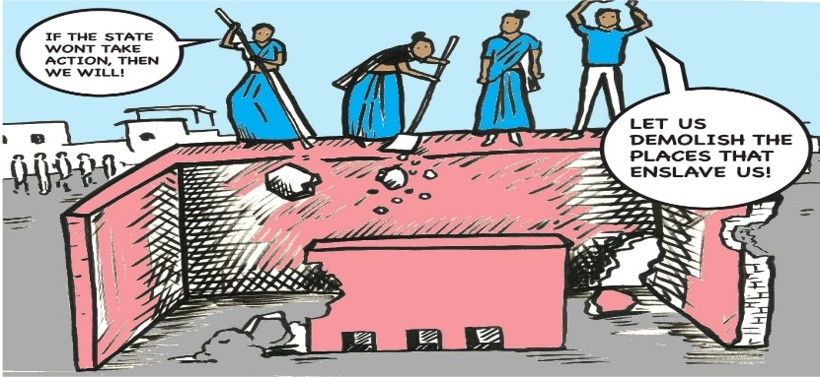
80 years after Independence, we, the manual scavengers, are still fighting for our freedom
We, the Safai Karmachari Andolan (SKA), have launched a yearlong campaign to free India from the shameful practice of manual scavenging. There is a...
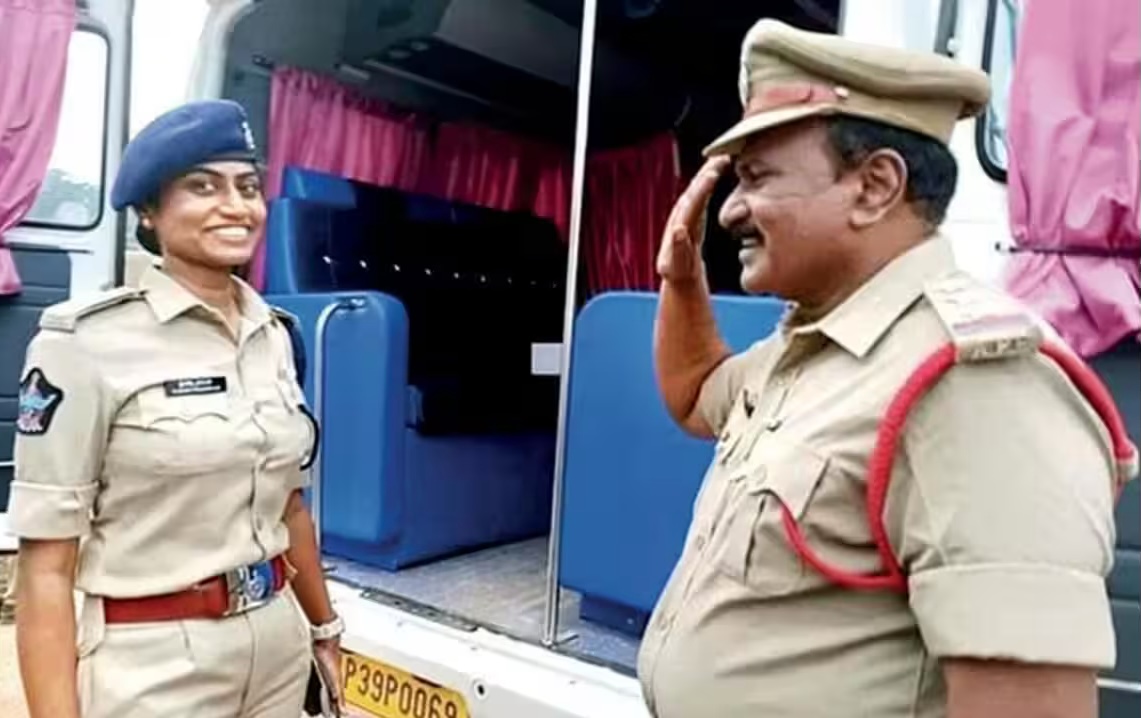
Why are men afraid of women’s freedom?
Men are not necessarily afraid of women’s freedom itself. Sometimes we are afraid of what women’s freedom asks us to reconsider about ourselves. It...
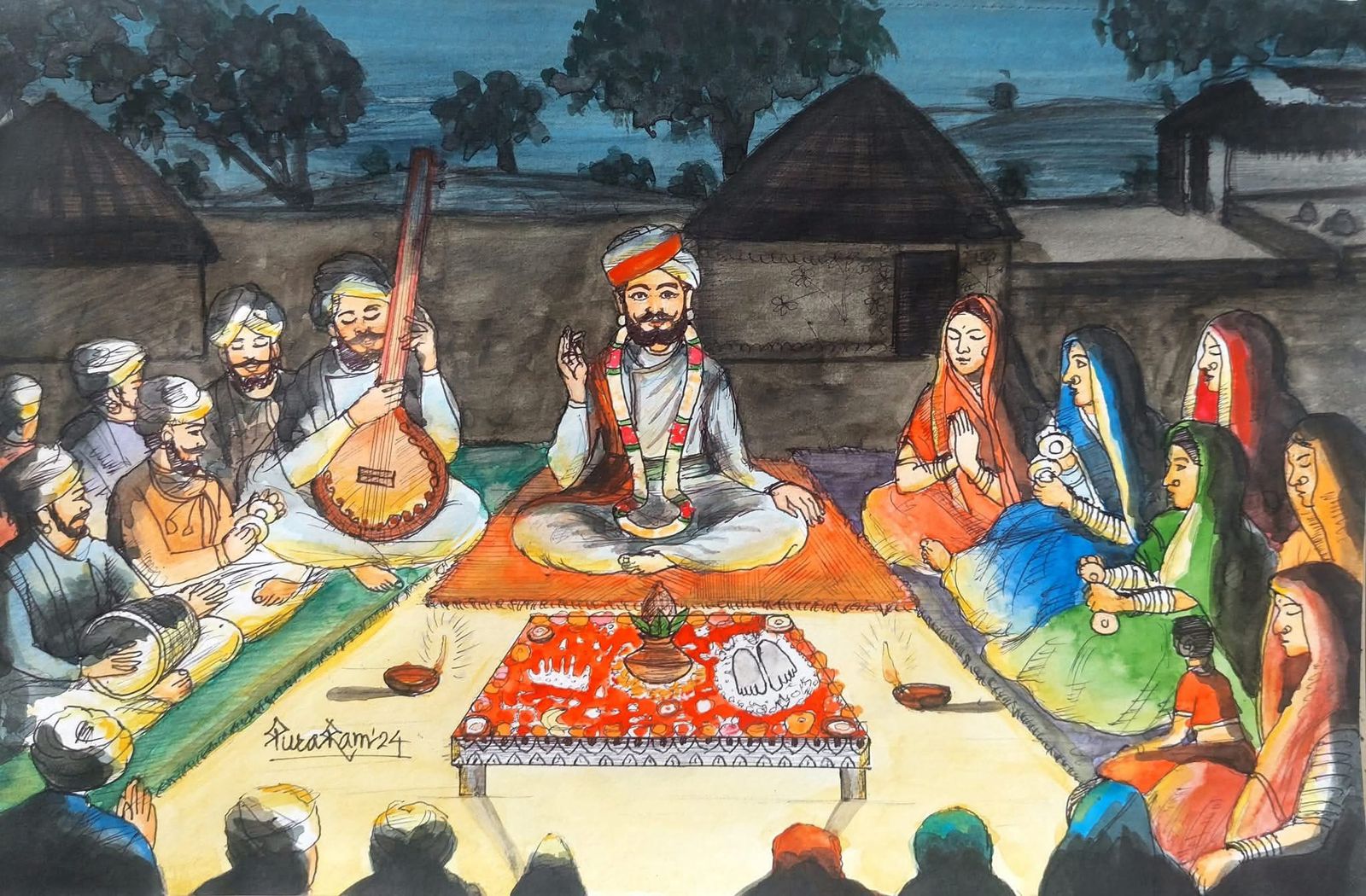
Unmistakably Dalitbahujan character of the Ramdev Pir Jatra
Held in the month of Bhadon, the ‘jatra’ (pilgrimage) is very different from the Kanwar Yatra. The pilgrims are disciplined – they don’t provoke...
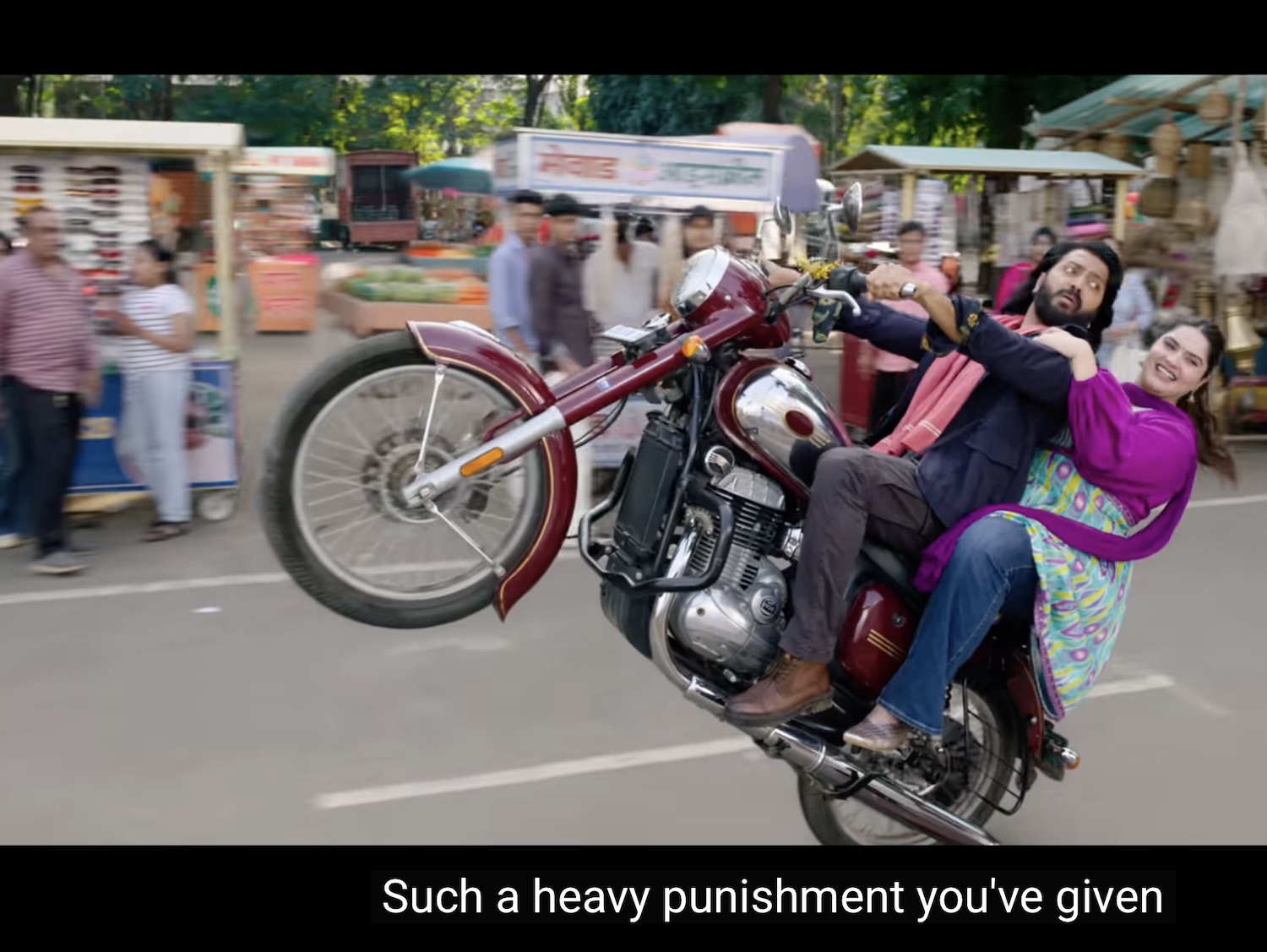
‘Dhamaal 4’ and the problem with laughing at the margins
Indian comedy is capable of laughter-filled entertainment that does not depend, like in ‘Dhamaal 4’, on body-shaming, misogyny or the caricaturing of labouring and...
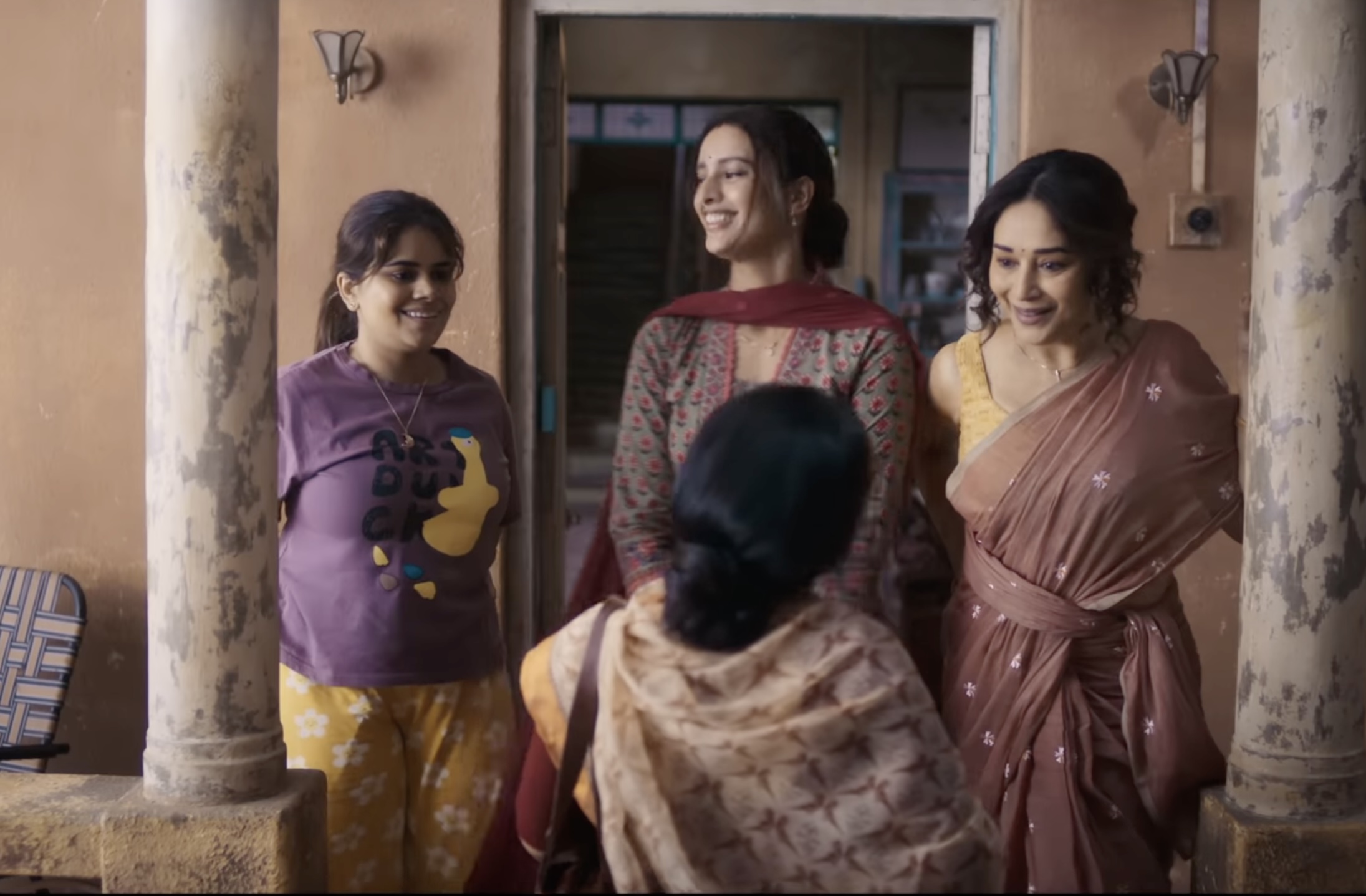
Who owns a woman’s story? Rumours, reputation and resistance in ‘Maa Behen’
Maa Behen (Mother-Sister) are everyday North Indian words that serve a double function – the most sacred of kin relations and simultaneously the category...